
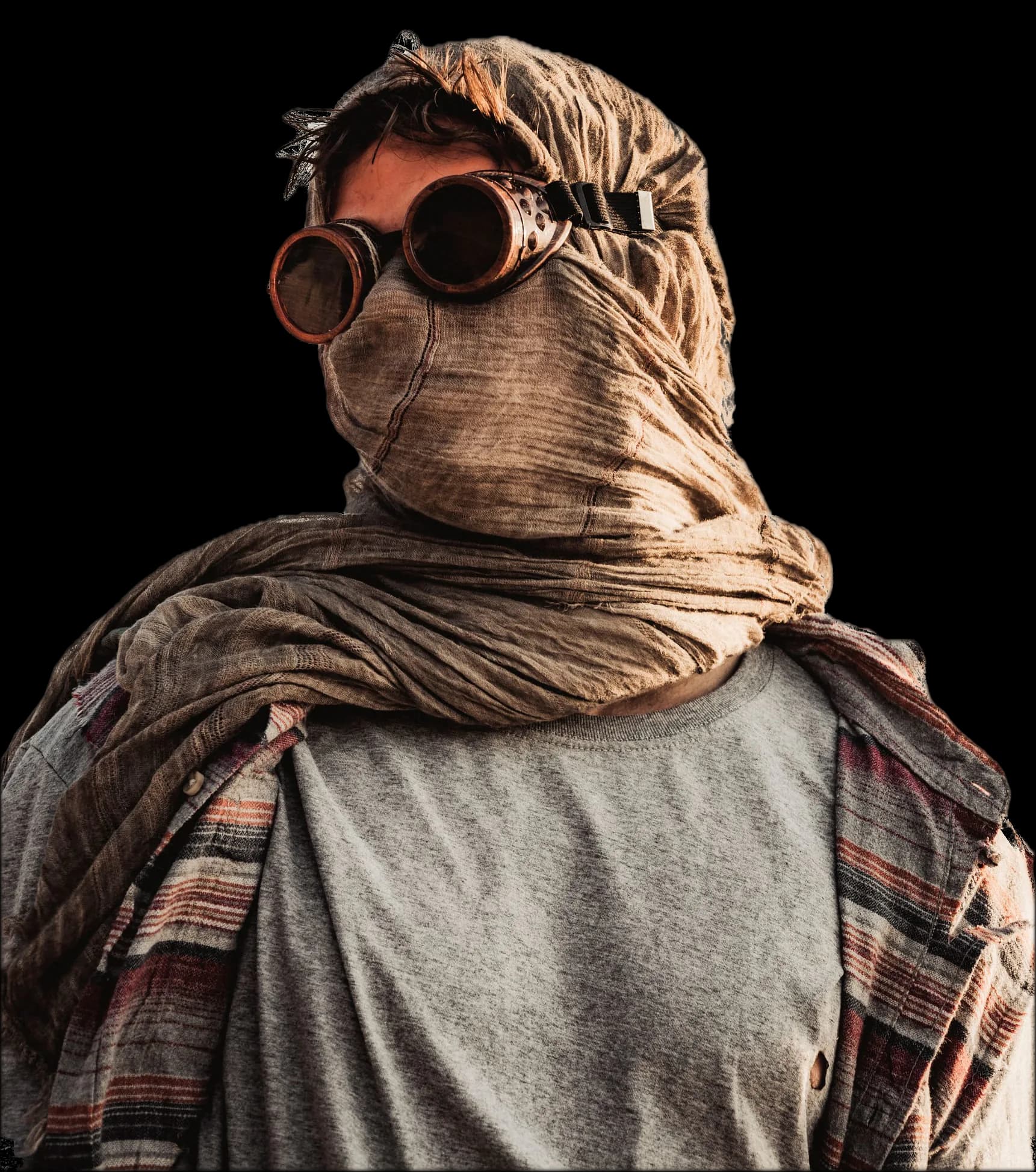
Kade
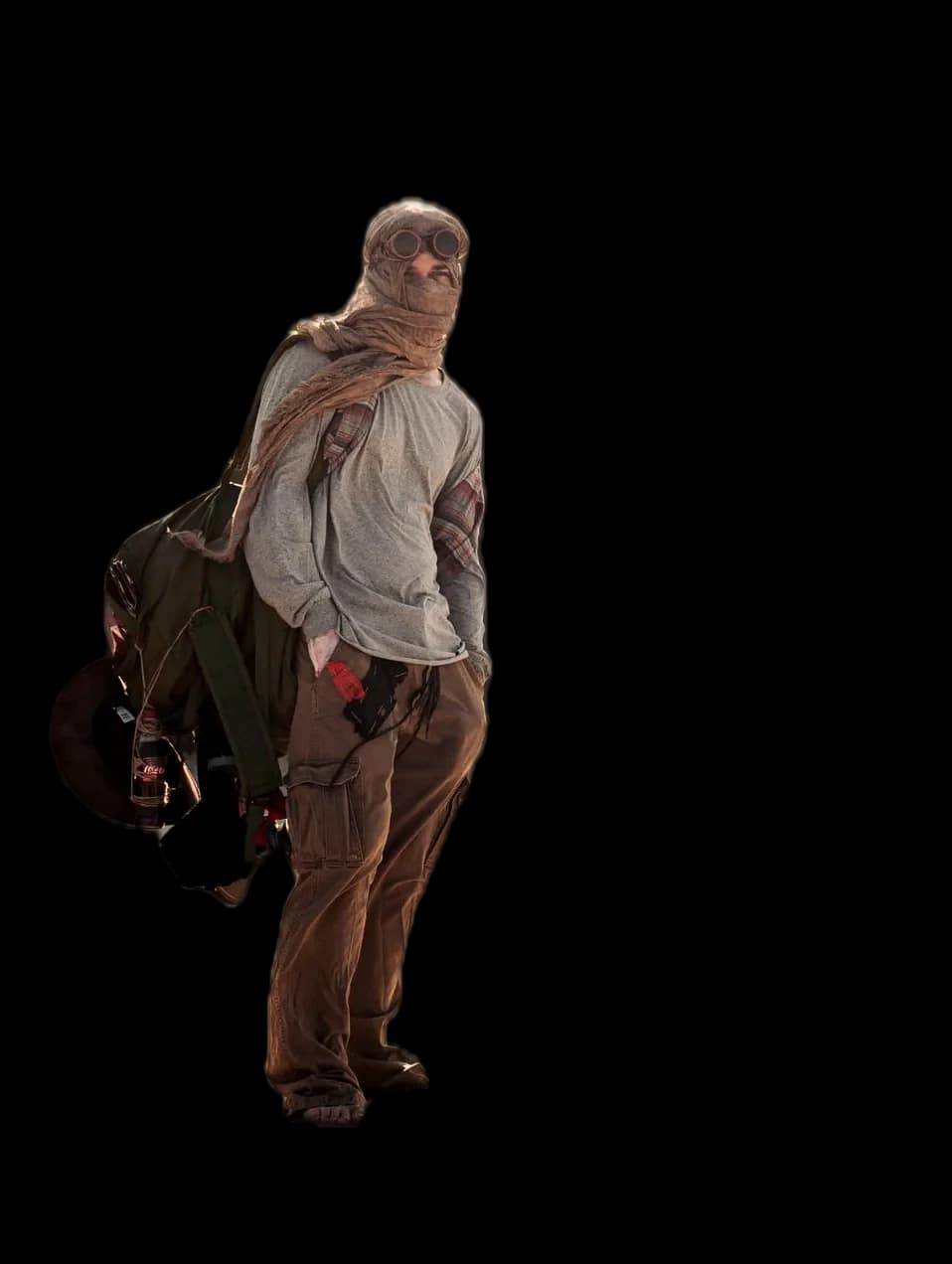
Logical, disciplined and protective. Since their parents died, Kade has taken on the role of protector, because someone has to. He trusts routine, tracking and rationing over hope, and he believes that trusting the wrong person can be fatal.
A Regina Alfnes film
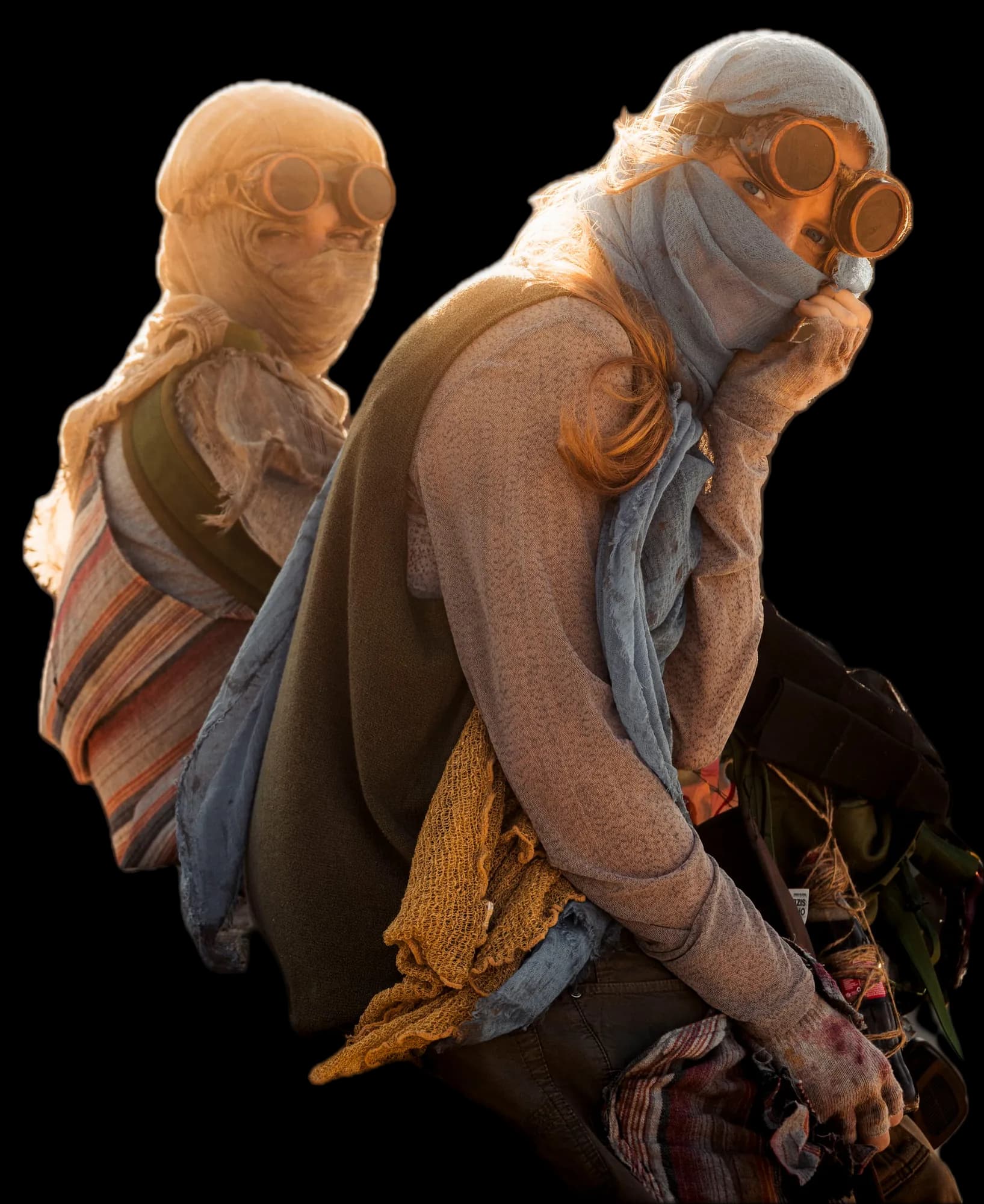
A dystopian science-fiction short film
In a dystopian future where sunlight kills, two twins must fight a battle between their instincts that tear them apart, and the bond holding them together.
In pre-production · Production planned for February 2027
Enter the worldThe sun was supposed to keep us alive. Instead, it watched us die.
The world
Burn of the Sun is fiction, but it starts from real science. High above us, the ozone layer absorbs most of the sun’s harmful UV-B radiation. In the 1980s, chemicals made by humans tore a hole in it, and only a worldwide agreement, the Montreal Protocol, set it on the road to recovery, which is expected to take until around 2066. The threats have not disappeared: nitrous oxide from fertilisers and industry is now the largest ozone-depleting gas we release, and no treaty limits it. In Australia, where the film is shot, two in three people are diagnosed with skin cancer by the age of 70. Burn of the Sun takes these truths one step further. If the sky can no longer protect us, will people?
At its heart, the film is about being young and refusing to let other people, or the world around you, decide who you are allowed to be.
A Norwegian–Australian crew is giving its time for free. Every contribution goes straight into what you will see on screen.
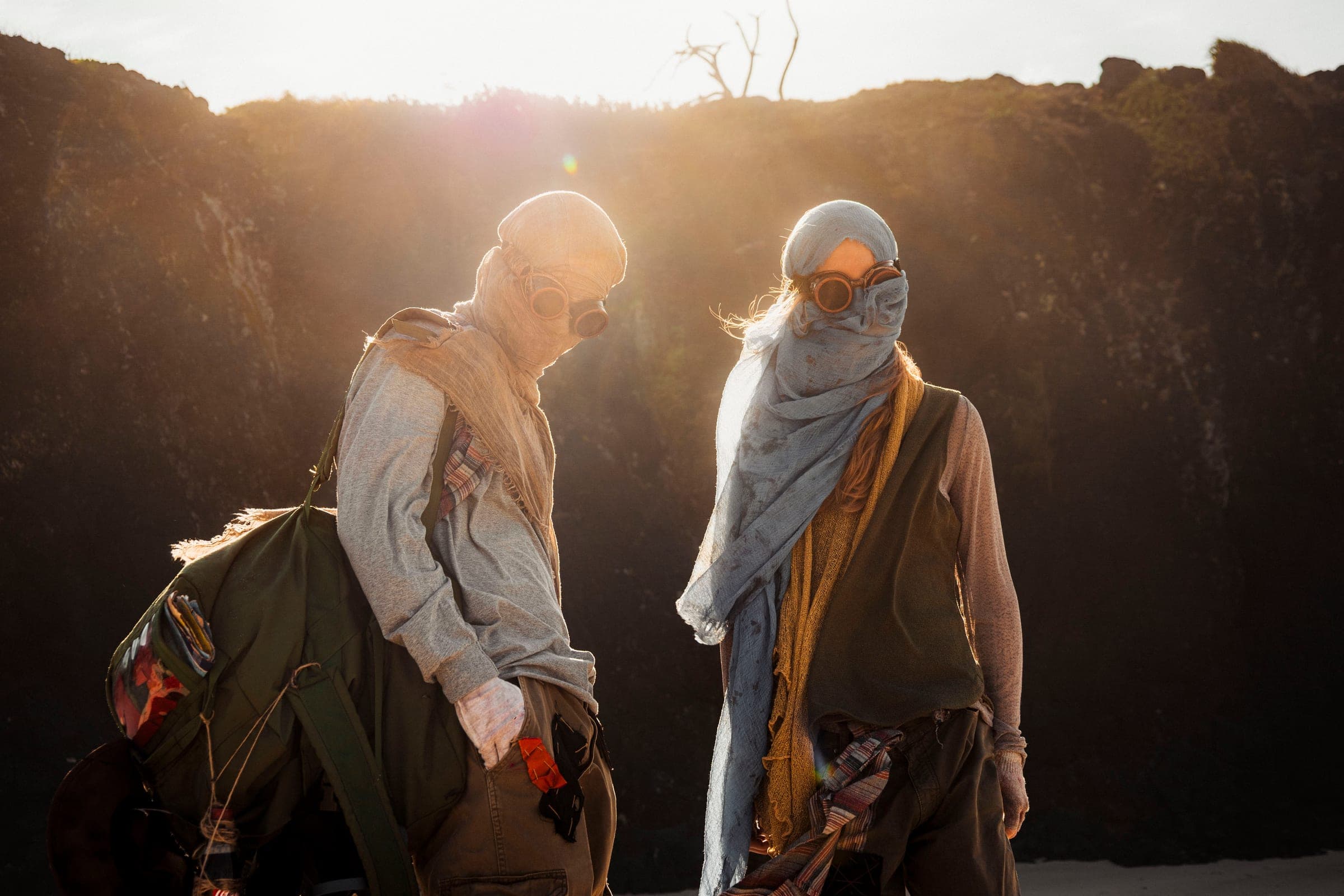
Real locations in the Australian landscape, and sets, costumes and props made by hand: patched, weathered and built to last through the shoot.
The story
Act I
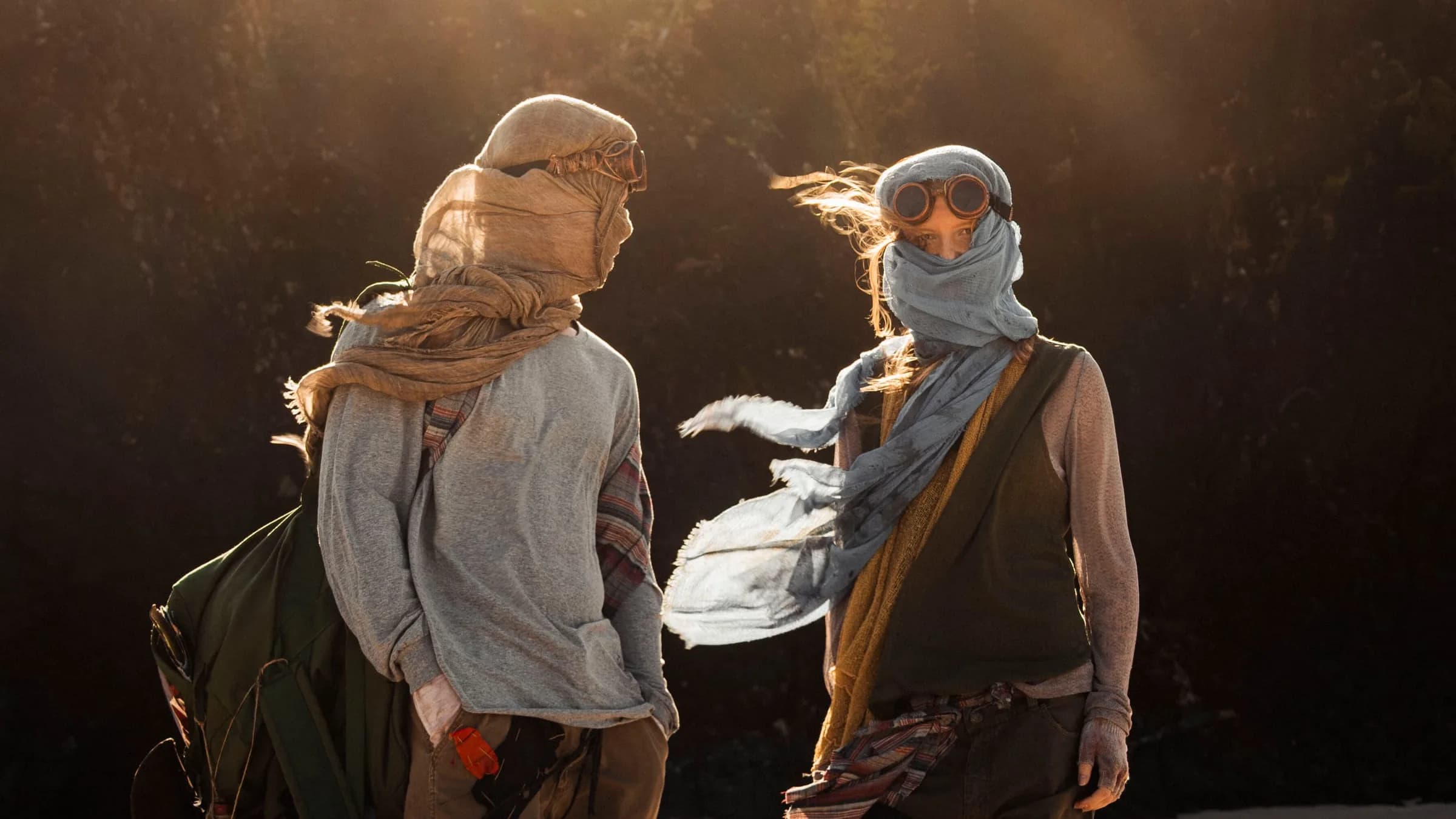
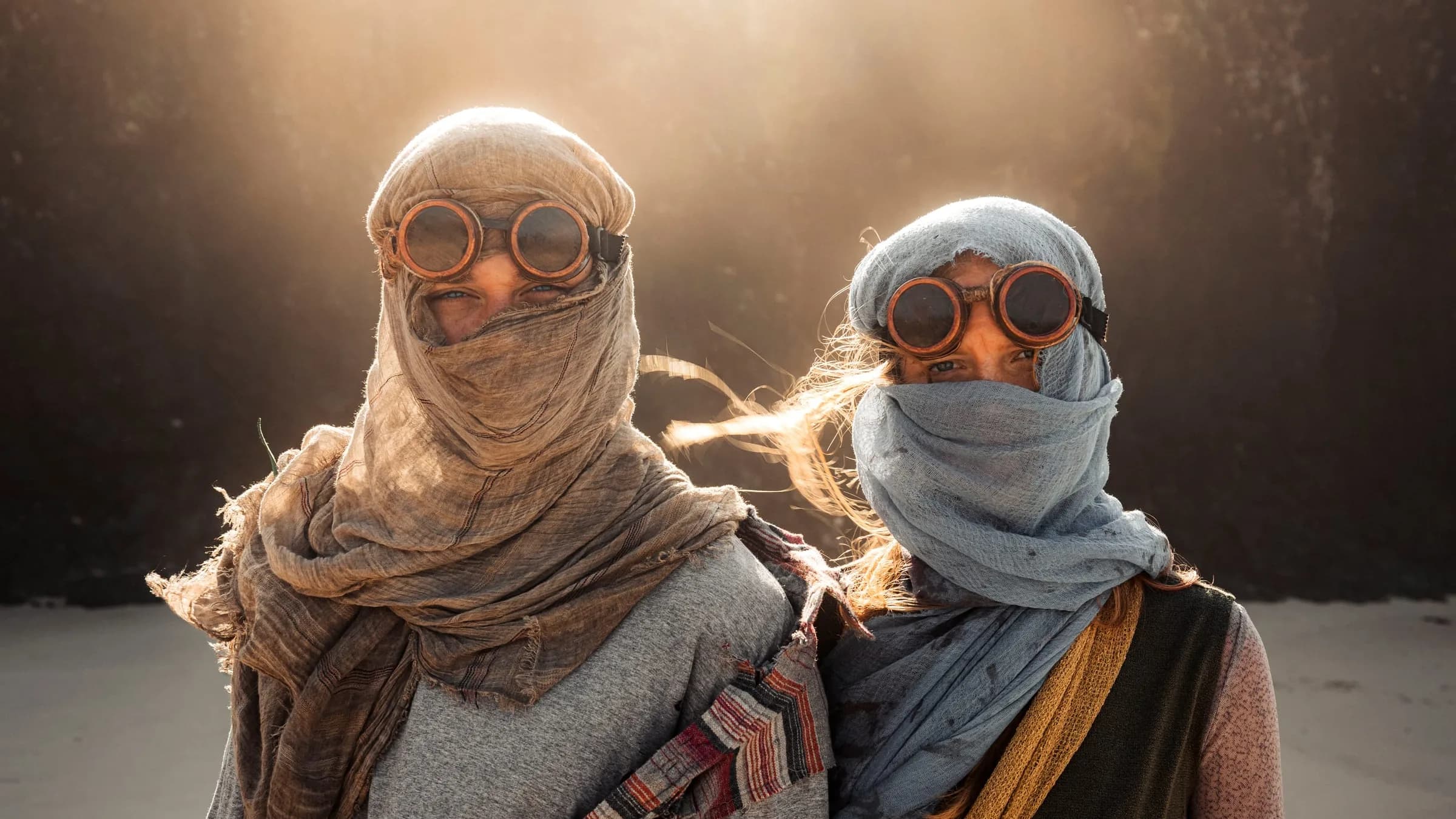
We meet twins Kade and Agnes on the road, with no one but each other. Before the sun catches them, they find an abandoned cabin to shelter in.
Act II
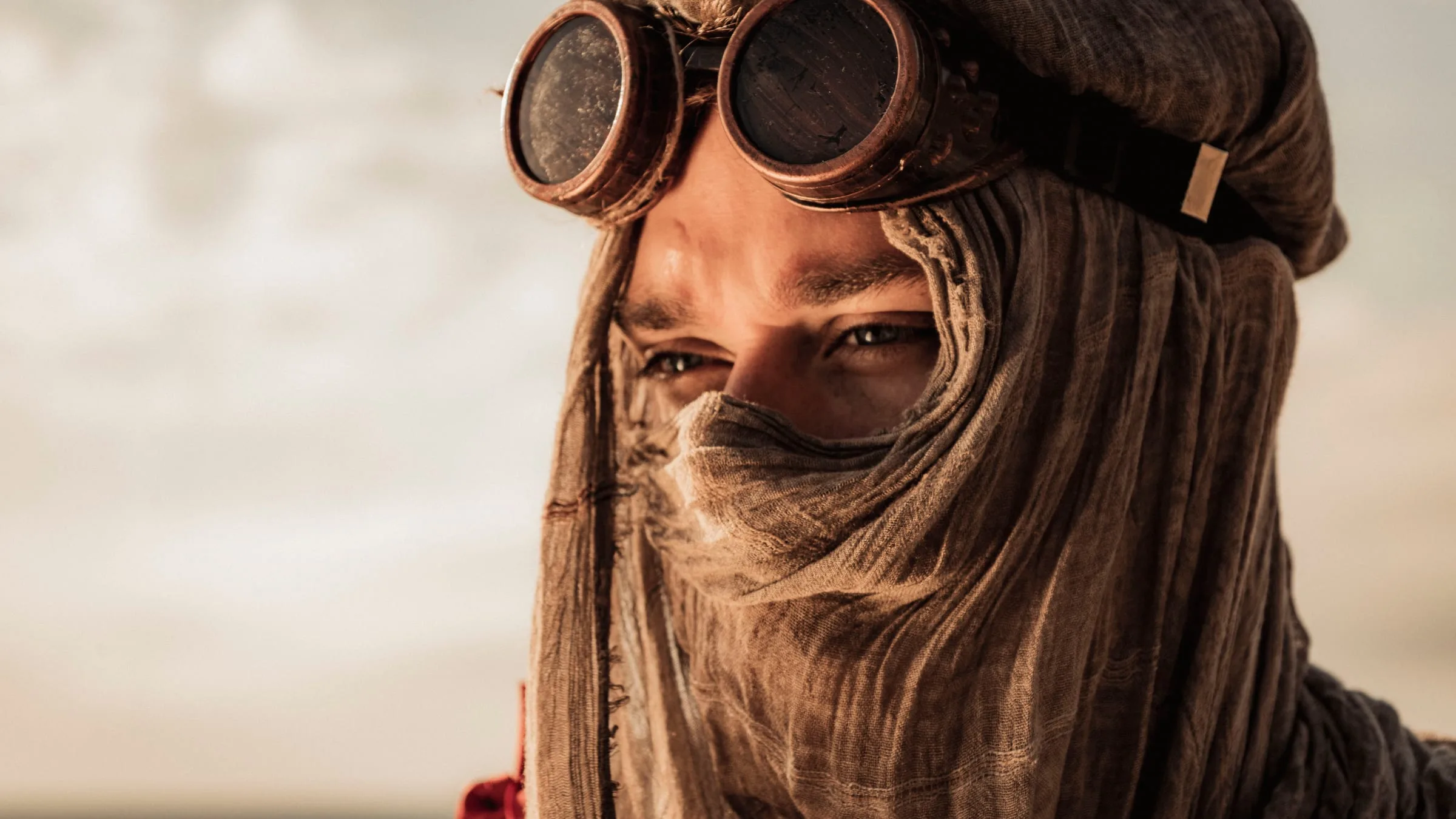
A dangerous man finds them, and Kade fights to keep them both alive. But the closer Agnes looks, the less the stranger seems like a threat.
Act III
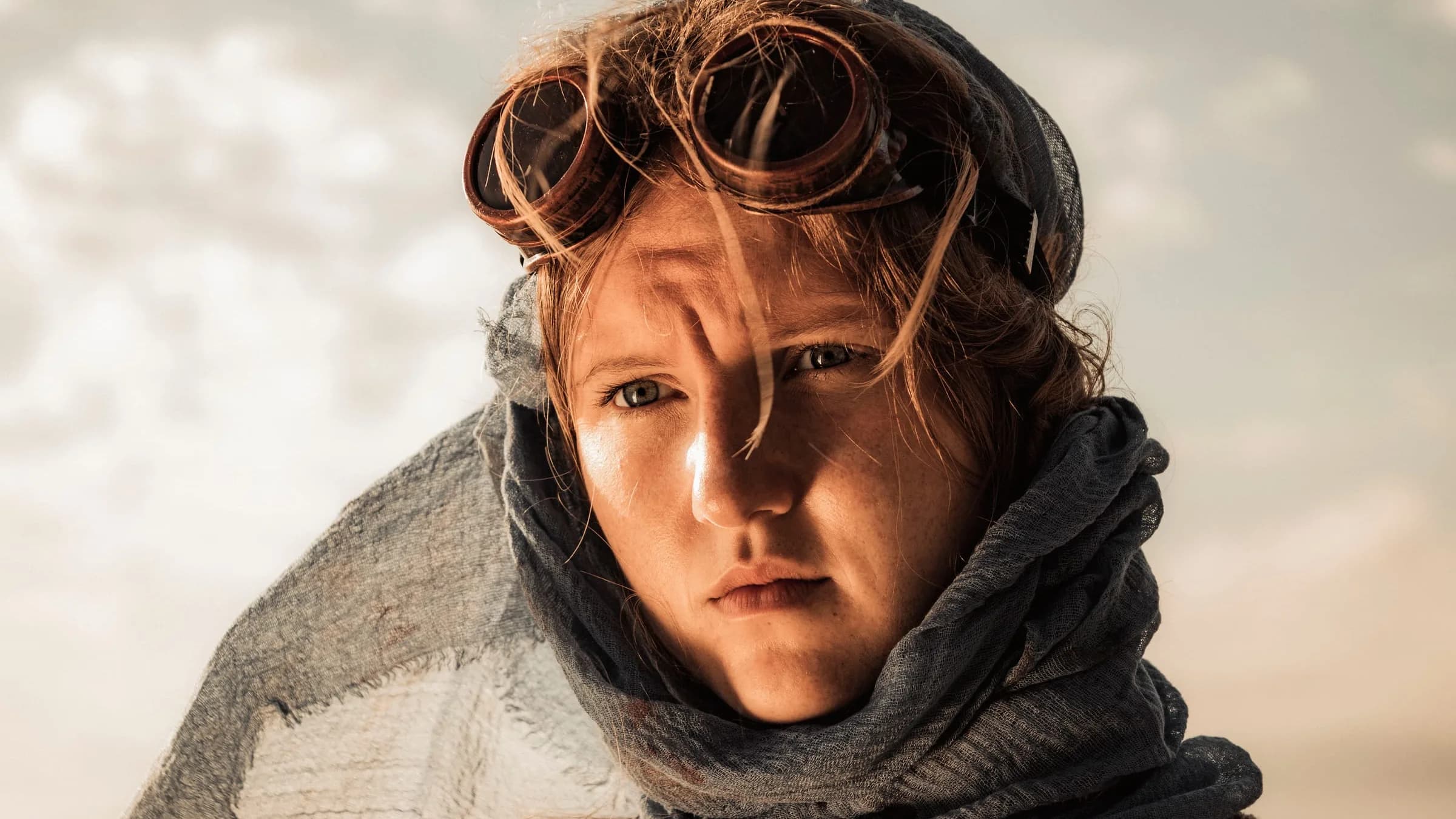
Agnes finally dares to share a hope of her own. Kade shuts it down. And the twins keep walking.
Theme
How do you choose between your twin and a path of your own?
The characters
Casting is still open.Apply here
Logical, disciplined and protective. Since their parents died, Kade has taken on the role of protector, because someone has to. He trusts routine, tracking and rationing over hope, and he believes that trusting the wrong person can be fatal.
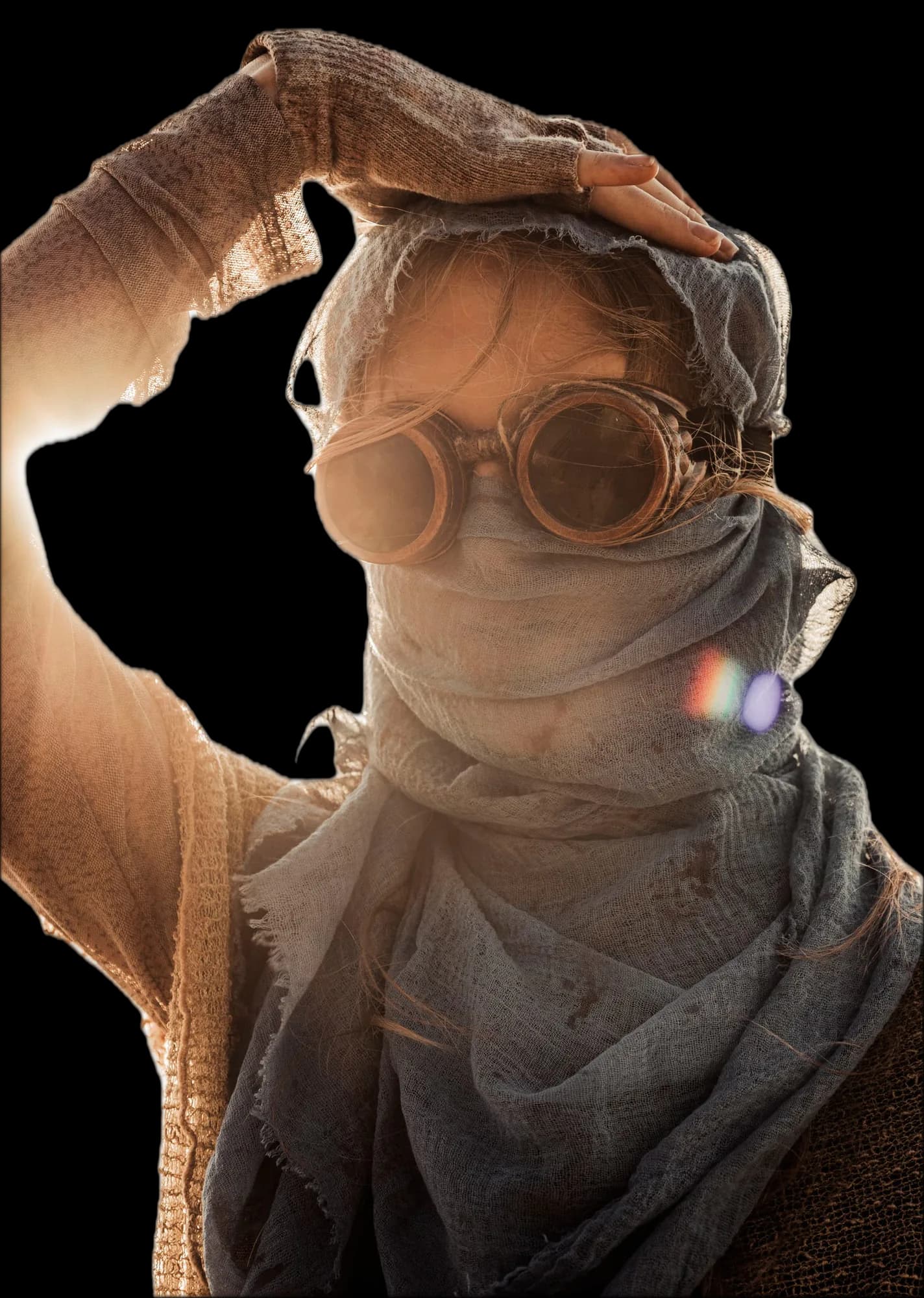
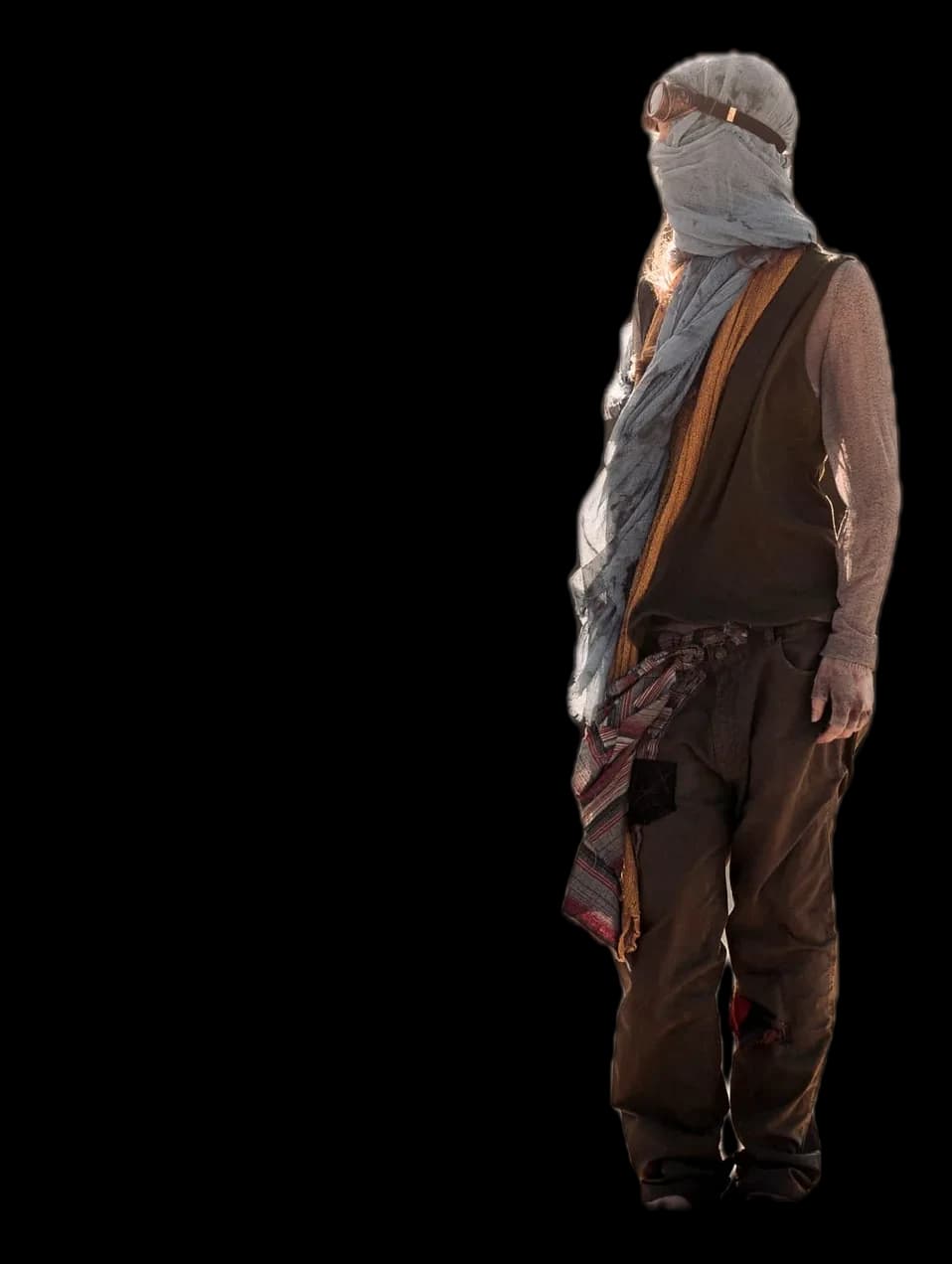
Intuitive, curious and hopeful. Agnes trusts her instincts and believes in people, even when it is dangerous. Beneath her teasing, she is the one asking whether surviving is enough.
An older survivor, weathered by the sun and carrying his own history of loss. He appears out of the dark, and the twins cannot tell whether to trust him.
Director’s statement
Burn of the Sun is not simply about a world where sunlight is dangerous. It is about the difference between surviving and living.
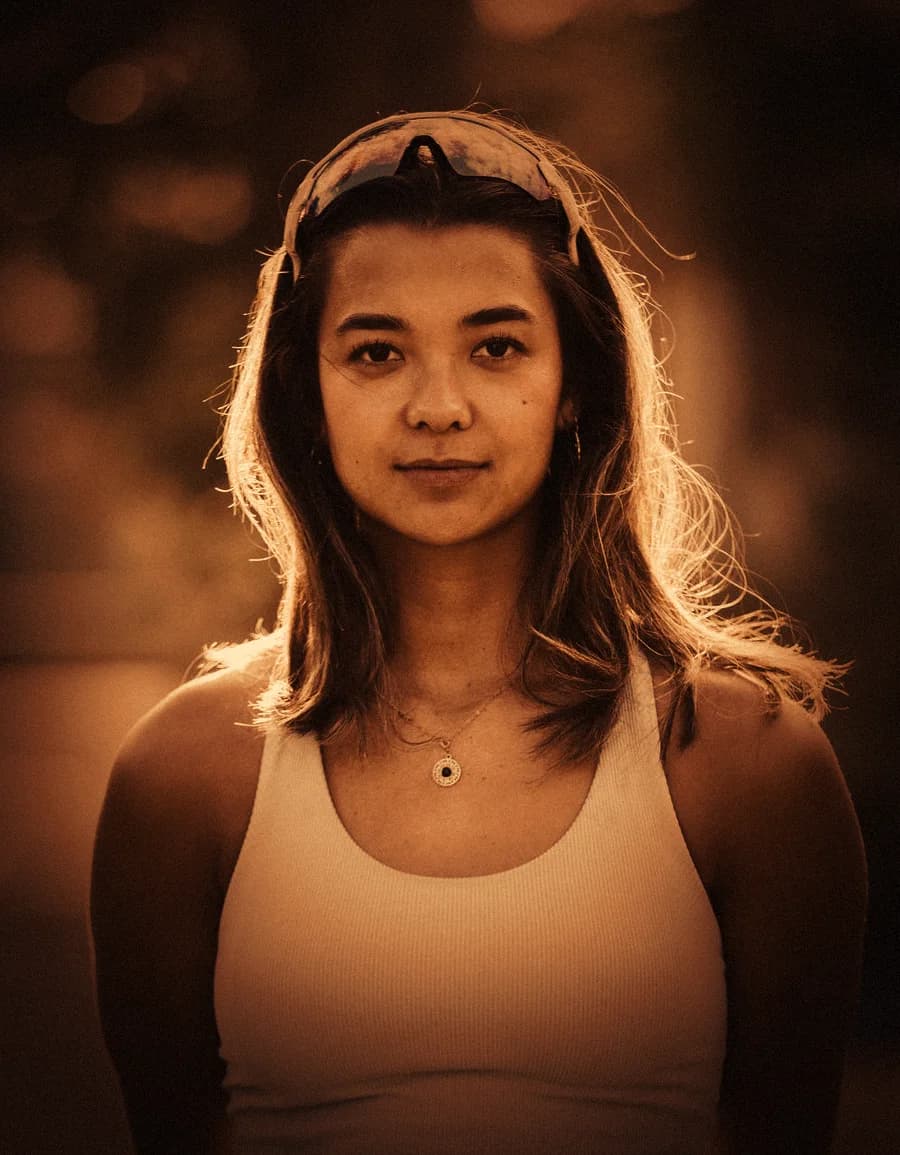
My passion is to create films with an emotional core. Burn of the Sun is a way to challenge myself with a bigger, more genre-driven world, but I want the drama to stay at the heart of it. However harsh the world around them, the film is about two people trying to understand each other.
Sometimes, what protects us can also limit us. The harsh daylight represents a world that offers little protection. The darkness creates moments of intimacy, uncertainty, and human connection. The film’s scale should never overwhelm its humanity.
I am a twin who moved away from my home country, leaving my twin brother behind. Kade and Agnes are heavily inspired by the two of us: one logical, one intuitive, bound by the same upbringing but pulled in different directions. Writing this film has meant asking what happens to that bond when two people want different things.
Regina Alfnes — writer & director
Support the film
The film is in pre-production, with production planned for February 2027. Your support helps turn the vision into a finished film: the locations, the world on screen and the crew who build it. Before the cameras roll, you can become part of the journey. Everyone who supports the film will be thanked by name in the end credits.
The campaign opens soon
We are preparing the fundraiser now. Check back here to hear the moment it opens.
Not every contribution is money. If you or your company can help with equipment, locations, transport, sponsorship or other production support, we would love to hear from you.
Would your business or organisation like to partner with the film? In return we can offer credits in the film, promotion on our social media and other visibility. Our team also includes talented editors and photographers, and we are open to exchanging their work for sponsorship.
Where the money goes
Burn of the Sun is an independent production, and no one on the crew is paid: everyone is giving their time because they believe in the film. That means every dollar and krone raised goes straight into what you will see and hear on screen, and into getting the finished film out into the world.
Turning an old cabin and an open landscape into a world after the sun: set dressing, props and the worn, weathered surfaces of a world where nothing is new.
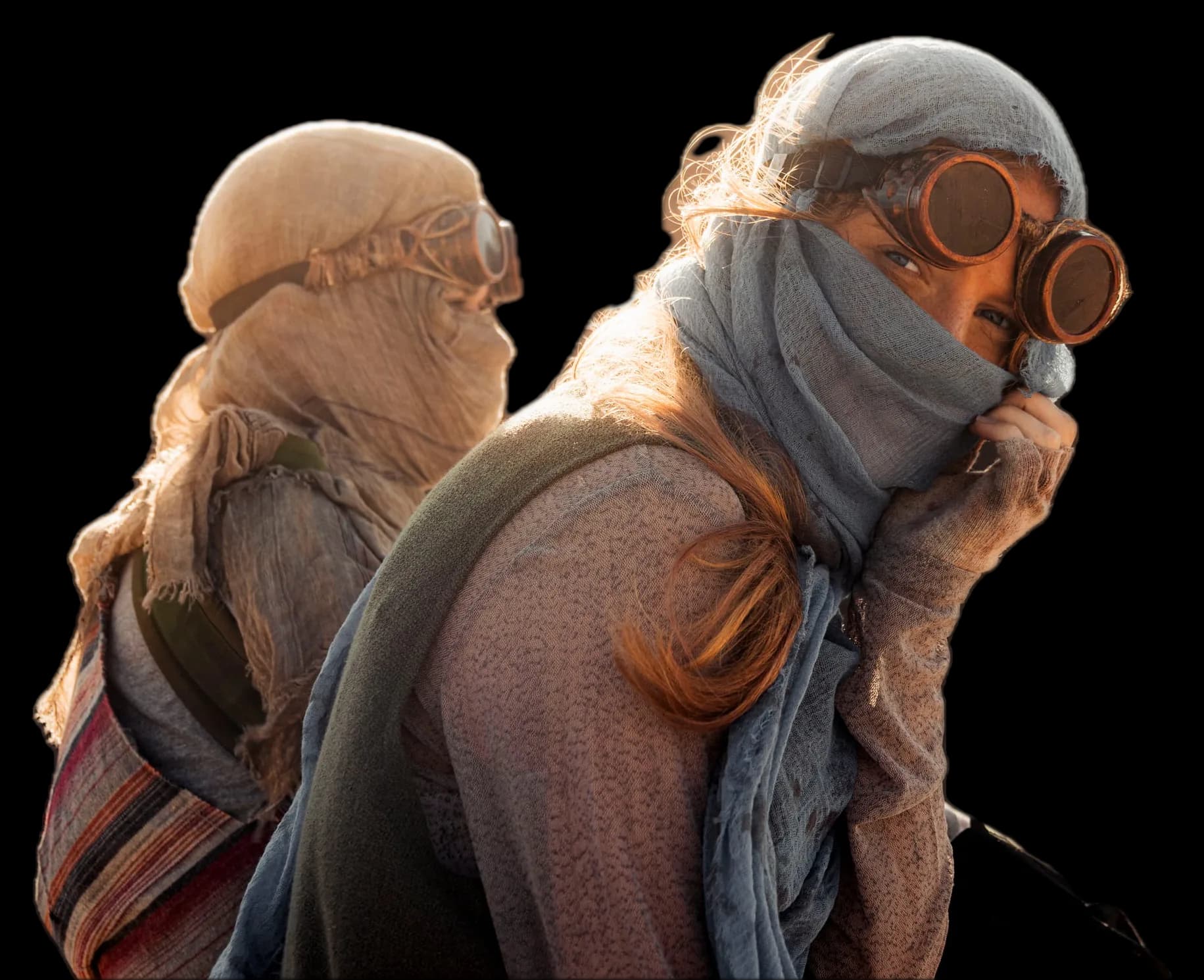
Layered, patched costumes, goggles and wraps for every character, and makeup for sun-scorched skin, built to hold up through long days and nights on set.
Location fees, filming permits and the logistics of shooting at a remote cabin, on a dry private road and around a rocky campfire site, much of it at night.
Fuel and vehicles to move cast, crew and equipment out to remote locations, and bringing a weathered car to set.
Equipment hire for the images the story needs: lenses, lighting for night exteriors, and the grip gear that lets us light a landscape by firelight.
Long shoot days and night shoots far from town. Feeding a volunteer cast and crew well, and giving them somewhere to sleep near the locations, is the least we can do.
Production insurance, a first aid officer and a dedicated fire safety officer for the campfire scenes, so that everyone gets home safe.
Colour grading, sound design and the final mix, original music, and visual effects such as completing the landscape in the opening shot.
Festival submission fees, subtitles and the files and formats needed for screenings, so the film can travel to festivals and reach audiences.
Timeline
Done: Oct 2026
The first concept stills of the world, the costumes and the light.
Now
Script, locations, crew and production design are coming together.
Coming up: Date coming
The campaign opens, and you can help bring the film to life.
Coming up: Feb 2027
Shooting in Australia, mostly by night.
Coming up: 2027
Editing, sound design, music and colour.
Coming up: Then
The film’s first audiences will be at film festivals. Screenings will be announced here once they are confirmed.
Questions
Yes. Donors outside Norway can give through GoFundMe, and donors in Norway through Spleis. Both links will be added here when the campaign opens.
The money is received by the film’s core production team: writer and director Regina Alfnes together with producers Alice Gregory and Julia Jakobsen. Every contribution goes straight into the production of Burn of the Sun. No one on the team takes a salary, so your support goes to what you can read about under “Where the money goes”: building the world on screen, the shoot itself, and getting the finished film to festivals and audiences.
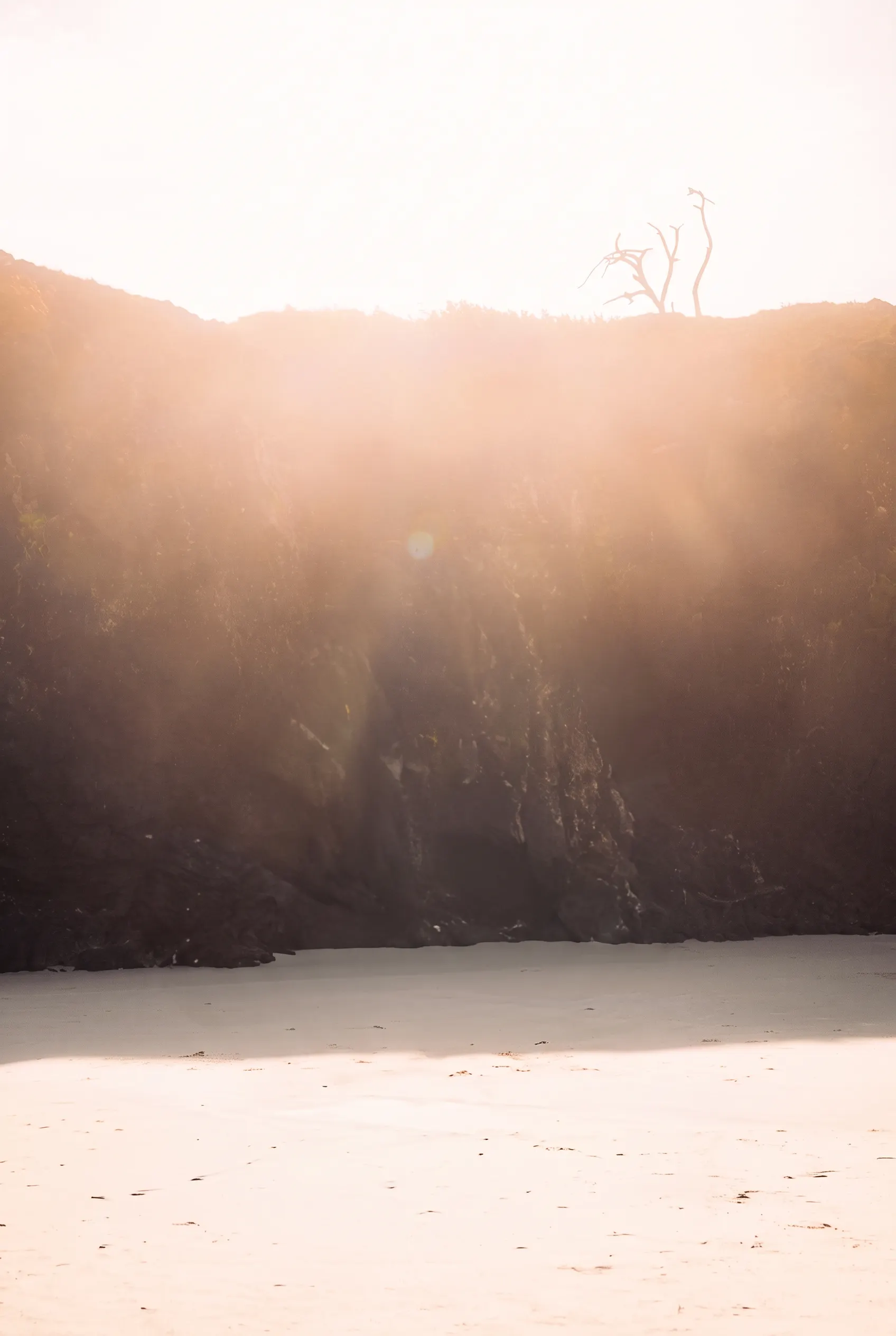
No. The photos on this site are concept stills from a test shoot in October 2026, made to explore the look of the world. The film itself will be shot in February 2027.
Film festivals come first. Many festivals only accept films that have not been published online, so the full film will not be released online straight away. Screenings will be announced here.
Actors and crew who want to get involved can find out how on the casting page.
Yes, and it means a lot. Support in kind, such as equipment, locations, transport or sponsorship, is just as valuable as money. Get in touch through the contact page.